Container port-to-port
A structured movement between named ports, with responsibilities defined for origin readiness and destination collection.
Origin, destination, shipment type, delivery terms, and port requirements shape every viable route option.
Define the cargo, port interfaces, document responsibilities, and final delivery before comparing routing options.
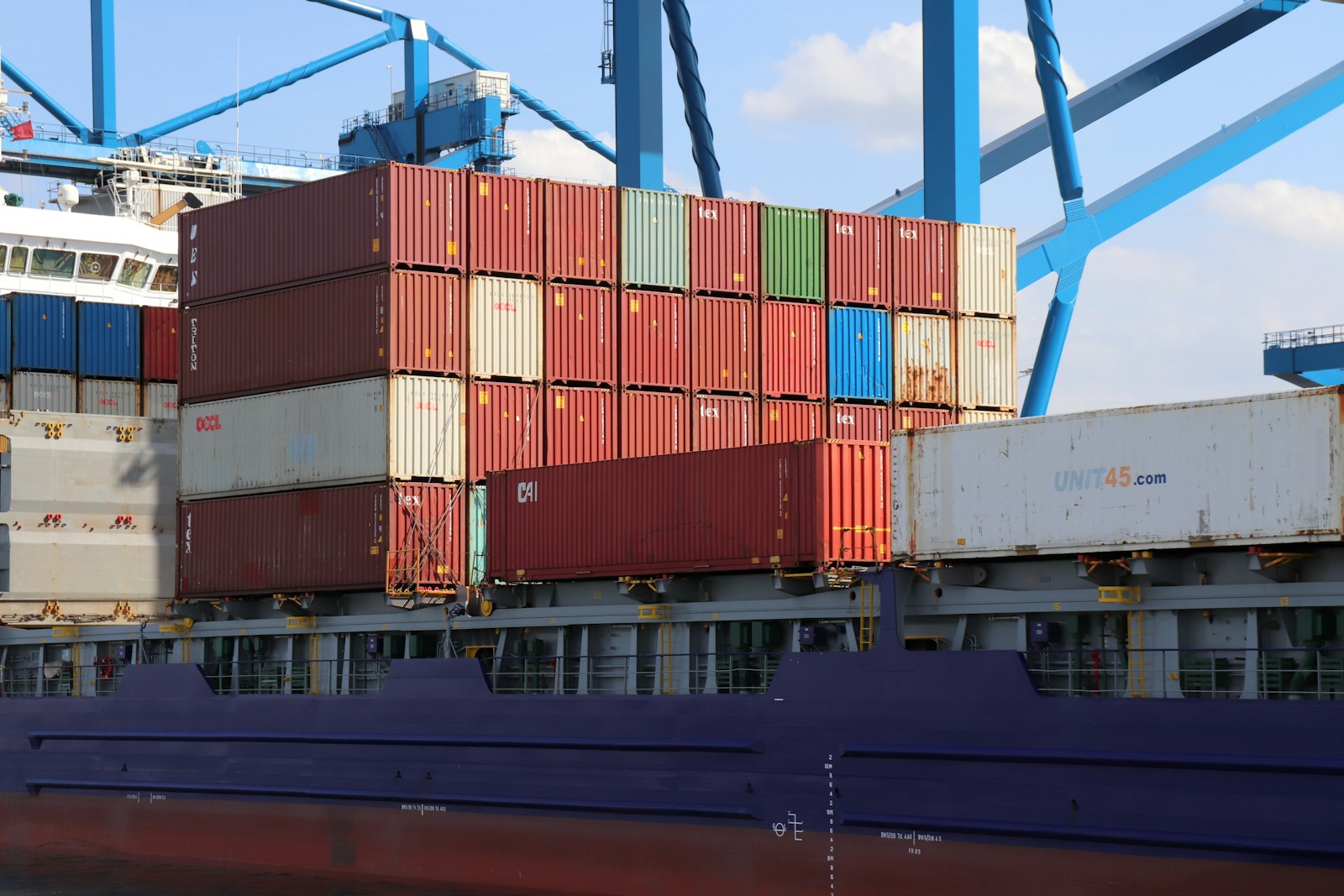
Useful commercial terms depend on accurate inputs. These checkpoints help surface cargo, port, documentation, and delivery constraints early.
Cargo fit: confirm dimensions, weight, packaging, handling limits, and equipment needs.
Port capability: check terminal interfaces, cutoffs, access conditions, and local requirements.
Document control: assign responsibility for commercial, transport, customs, and receiving records.
Delivery interface: define release, inland movement, receiving contacts, and exception handling.
These common movement patterns help organize an initial brief. The final route still depends on cargo facts and current operating conditions.
A structured movement between named ports, with responsibilities defined for origin readiness and destination collection.
A route that extends beyond arrival to include release requirements, inland coordination, and a defined receiving handoff.
A coordinated plan for cargo from multiple suppliers, with aligned readiness dates, document sets, and consolidation requirements.
Share the origin, destination, cargo profile, trade terms, and timing so the route questions can be reviewed in context.