
Containerized
Containerized cargo
Standard equipment can simplify handling, but load readiness, weight distribution, documentation, and port cutoffs still require precise inputs.
View profileReview common cargo profiles by packaging, dimensions, documentation, port requirements, and delivery interface.
Standard equipment can simplify handling, but load readiness, weight distribution, documentation, and port cutoffs still require precise inputs.
View profile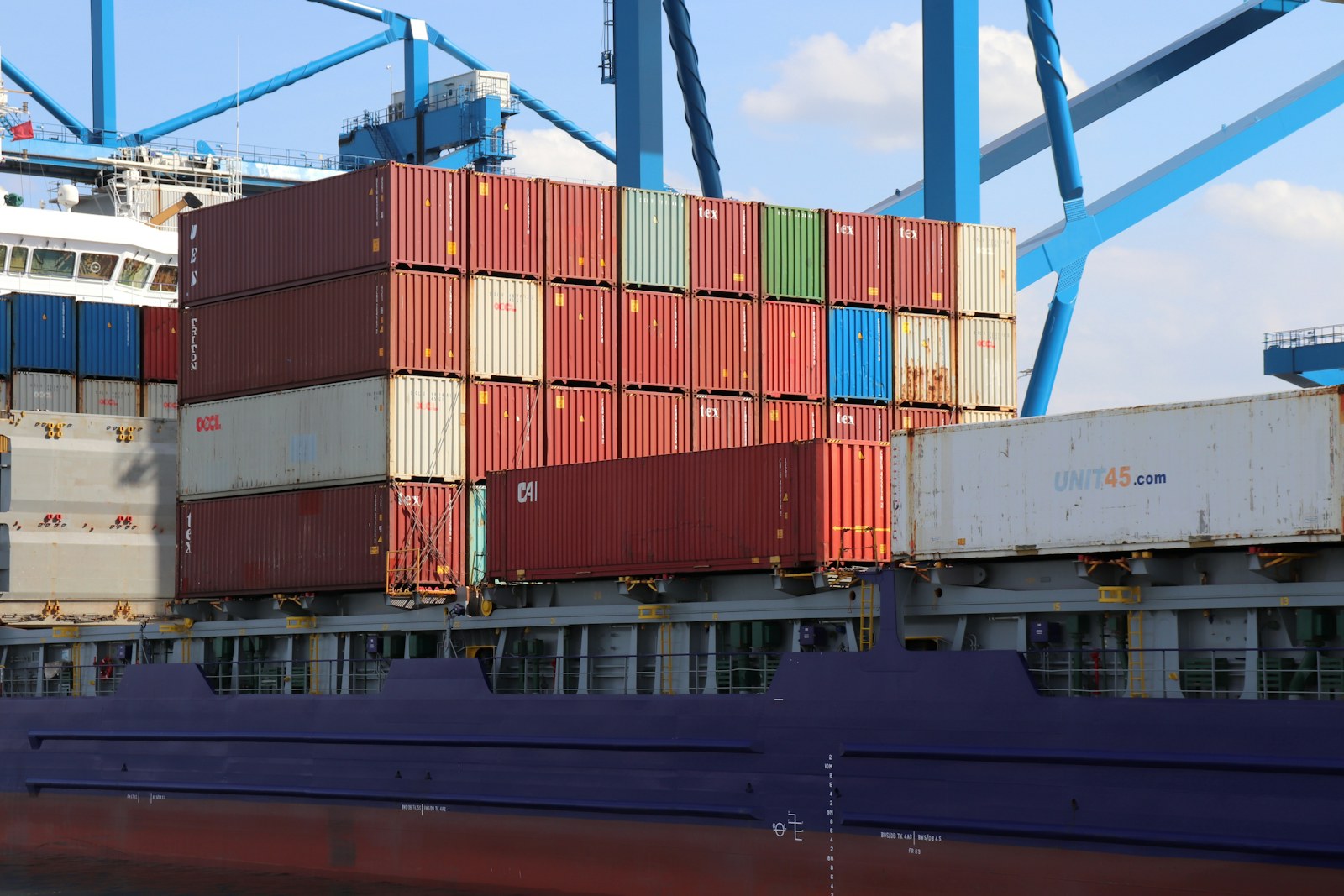
Non-standard dimensions call for early review of lifting points, packaging, terminal capability, route access, and delivery conditions.
View profile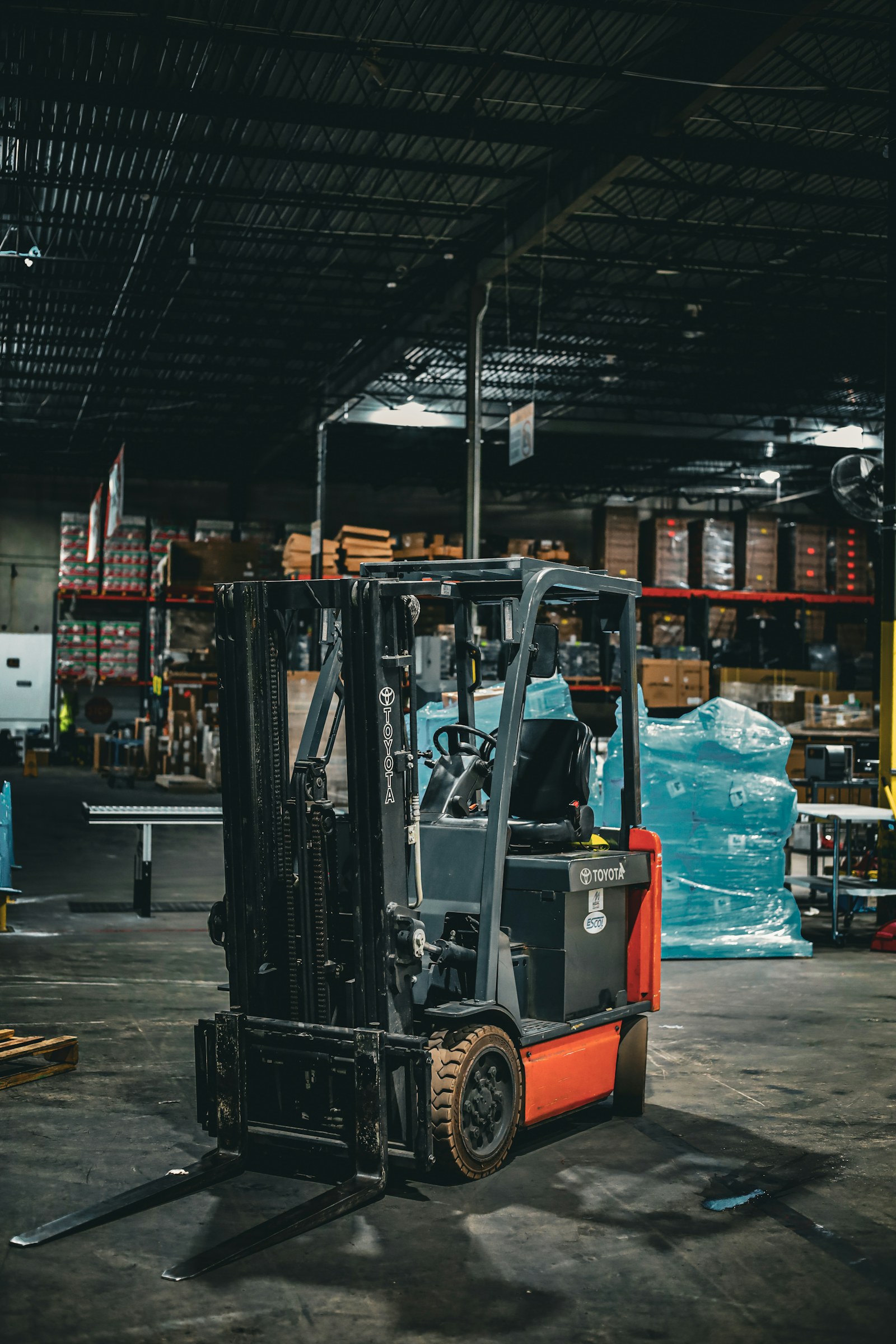
Product specifications, counterpart terms, inspection needs, documents, and delivery conditions should remain aligned throughout the transaction.
View profileCommodity, dimensions, weight, packaging, value, documents, and delivery terms determine which questions must be resolved before movement is arranged.
A route that looks direct may still be unsuitable for the cargo, documents, terminal requirements, or final delivery. The brief should expose those constraints early.
Use these three starting points to frame handling, documentation, route, and delivery questions before requesting terms.
Standard equipment can simplify handling, but load readiness, weight distribution, documentation, and port cutoffs still require precise inputs.
Non-standard dimensions call for early review of lifting points, packaging, terminal capability, route access, and delivery conditions.
Product specifications, counterpart terms, inspection needs, documents, and delivery conditions should remain aligned throughout the transaction.
Share the commodity, quantity, dimensions, origin, destination, and timing so the first review can address the right constraints.